The current decade is set to be remembered as the era we lost control of infrastructure challenges, or the moment we redefined what infrastructure means for humanity, says Zutari Digital Advisory’s Abdut Rahmani.
The conversation around infrastructure has always been framed in tonnage and terabytes, bridges and bandwidths, pipelines and pylons. We measure progress in poured concrete, megawatts, kilometres of fibre. But the real currency of infrastructure isn’t steel or spectrum – it’s human dignity!
At the heart of the FIDIC 2025 Global Infrastructure Conference theme, Smart Infrastructure: Equality, Resilience and Innovation for a Sustainable World, lies a blunt truth; we don’t build to impress, we build to include. Resilient infrastructure is less about surviving storms and more about protecting people. And equality in infrastructure isn’t about slogans, it’s about whether a child in Gugulethu has the same chance to thrive as a child in Geneva.
That’s the bar. And if we’re honest, we’re not there yet.
The new infrastructure mandate
Global infrastructure delivery is at an inflection point. Traditional project cycles are being disrupted by climate volatility, financial debt burdens, political instability and the raw pace of technological change. But disruption, if harnessed correctly, is an accelerator, not an anchor.
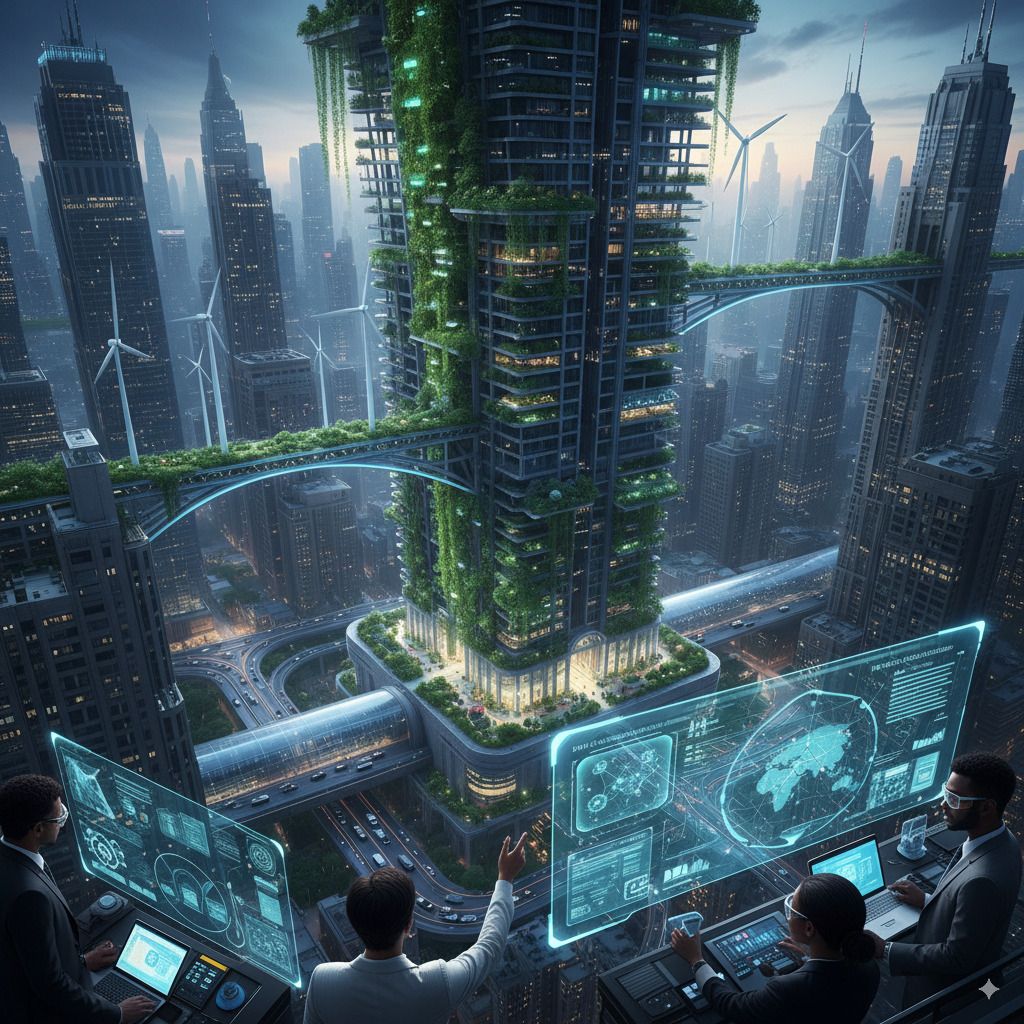
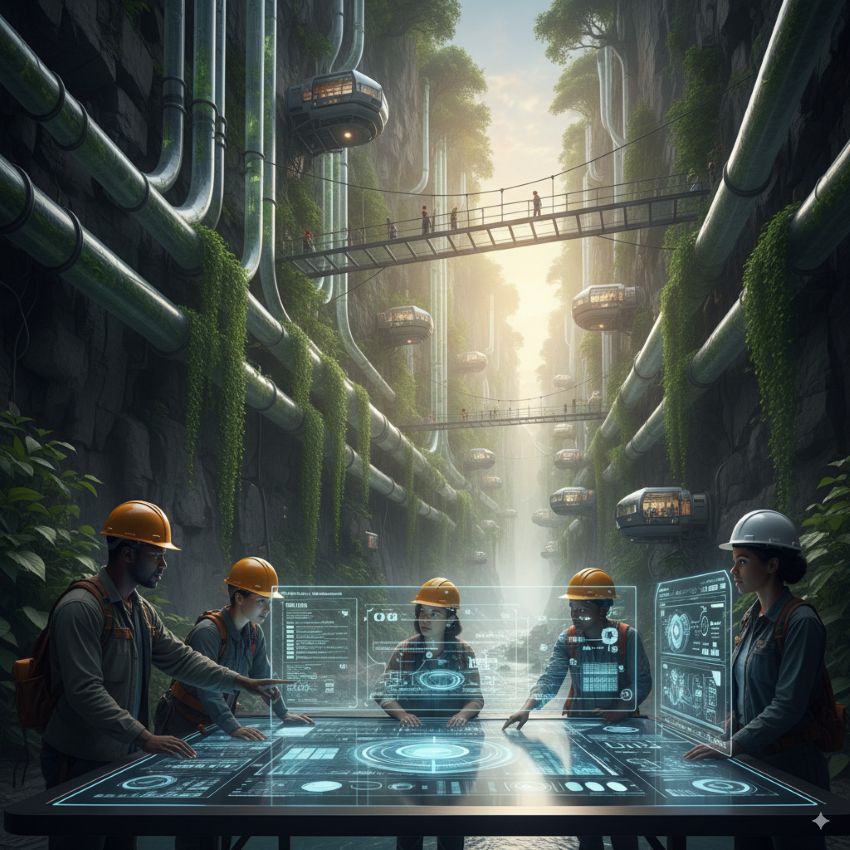
Smart infrastructure isn’t just embedding sensors into concrete – it’s embedding foresight into design. It’s predicting droughts before taps run dry. It’s shaping mobility networks that flex with cities rather than strangle them. It’s digital twins that don’t just mirror assets but anticipate failure, save costs and protect communities.
Resilience isn’t theoretical. It’s whether the next flood wipes out livelihoods or whether digital-led design anticipates it and preserves them. Innovation isn’t a buzzword . . . it’s survival.
From risk management to risk visibility
The global narrative on infrastructure has always leaned on risk management. But here’s the problem. You can’t manage what you can’t see. Our industry is still operating like pilots flying in cloud cover without radar. Risks – from cyber threats to climate extremes – are compounding faster than our spreadsheets can keep up. The leap forward is not in better contingency plans, but in risk visibility.
That’s the frontier Zutari Digital Advisory is pioneering – using predictive analytics, AI-led engineering and integrated data streams to give decision-makers a panoramic view of what’s coming, not just what’s already happened. That’s how you deliver projects in global uncertainty; not by reacting better, but by knowing sooner.
The financial reality check
We can’t dodge the elephant in the room. Infrastructure is being built in a high-debt, low-liquidity world. The IMF estimates that nearly 60% of low-income countries are at risk of debt distress. Financing resilience cannot rely on the same playbook of state borrowing and donor funds.
The next wave will be unlocked through two levers: –
- Blended finance models – that align public infrastructure with private capital appetite.
- Digital performance guarantees – where data validates delivery in real-time, giving financiers the confidence to back resilience at scale.
Financial viability won’t come from cheaper materials, but from smarter systems. Net zero goals, sustainability standards and climate-linked investments are not costs, they’re currencies.
Equality in the age of smart
Technology can widen divides as easily as it can close them. We’ve seen too many ‘smart’ city projects where fibre rolls out to affluent suburbs while informal settlements are left in the dark. The new responsibility for engineers is not just design excellence but ethical distribution. Equality means designing infrastructure that scales down as effectively as it scales up – a solar grid that can power a hospital and still trickle into homes on the periphery.
If resilience is about infrastructure surviving shocks, equality is about people surviving without being excluded. Both are non-negotiable.
The political frontier
Let’s not pretend that infrastructure is apolitical. Every bridge, every water system, every transport corridor exists in the crosswinds of policy and politics. The challenge (and opportunity) for engineers is to act as translators between technical possibility and political feasibility.
Our role isn’t to lecture governments, but to co-create. To advocate not just for budgets, but for outcomes that outlast election cycles. Infrastructure should not be a political trophy – it should be a political inheritance.
The North Star: Human-centred infrastructure
If there’s one idea I want to leave you with, it’s this – infrastructure isn’t about assets, it’s about agency.
When we talk about sustainability, resilience, or net zero, we risk losing sight of why we build at all. A bridge isn’t a span of steel, it’s a mother cutting her commute so she can be home in time to help her daughter with homework. A water system isn’t pipes; it’s a teenager not missing school because she no longer spends four hours a day fetching water.
That’s the real transformation. That’s the legacy we should be chasing.
Not there yet – but we know the way
We’re standing at the edge of a decade that will either be remembered as the era we lost control of infrastructure challenges, or the moment we redefined what infrastructure means for humanity.
Conferences are filled with talk of AI, digital twins, resilience metrics and funding frameworks. They’re all critical. But let’s not forget – the true test of smart infrastructure is whether it uplifts the most vulnerable, whether it gives resilience to the powerless and whether it builds a world where innovation serves dignity, not just efficiency.
At Zutari, that’s the only metric that matters. And that’s the path we’re walking.
Abdut Rahmani is managing director at Zutari Digital Advisory.